Countertops in Asheville: What to Know Before You Replace Them
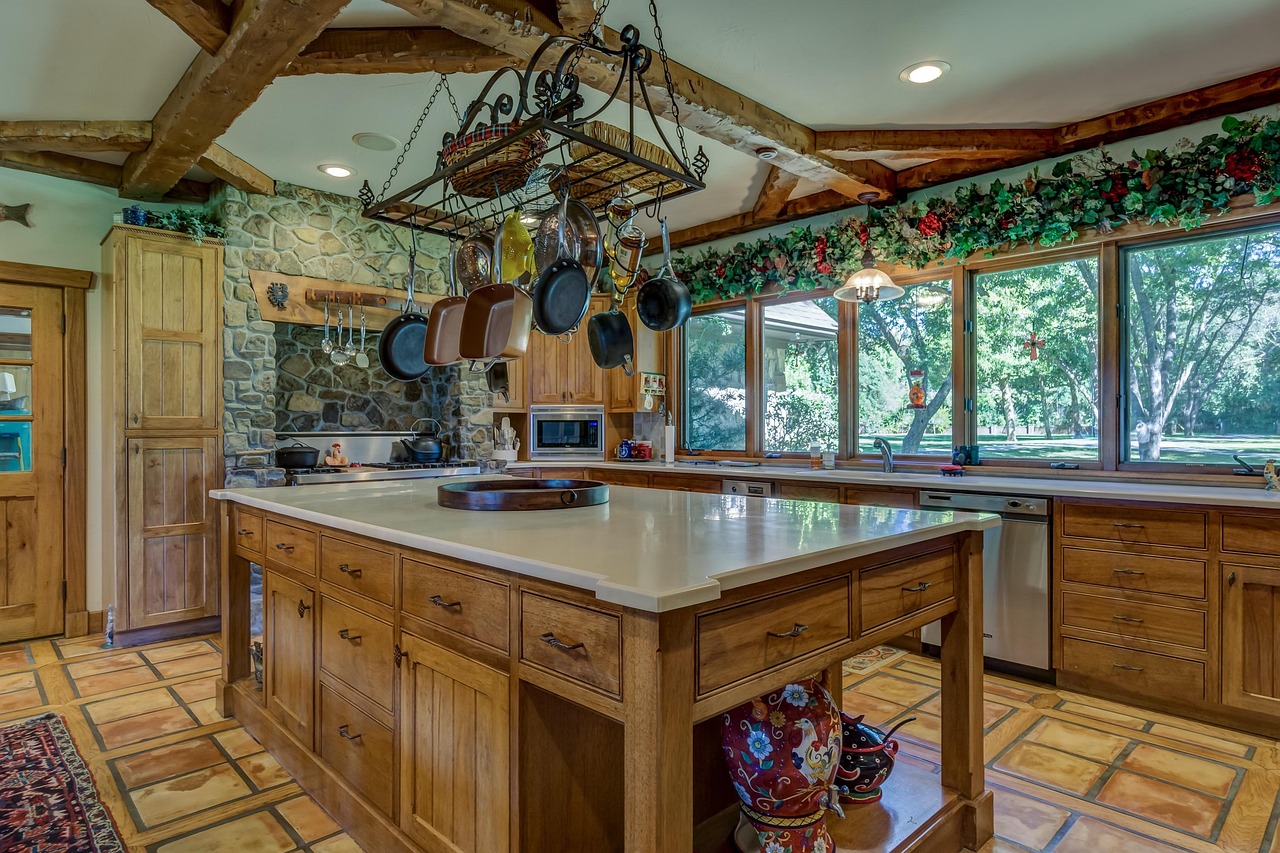
Replacing a kitchen countertop is one of those projects that looks simple from the outside and gets more involved the moment you start pricing it. In Asheville the job carries a few local wrinkles that a national how-to guide will never mention, from where the slabs actually come from to what a century-old bungalow does to a level counter. This guide walks through how the work really unfolds here, what your choices are, and the questions that separate a smooth install from an expensive surprise.
None of this is a sales pitch. It is the background a homeowner deserves before spending a few thousand dollars on a surface they will use every day for the next fifteen or twenty years. Read it once and the quotes you gather will make far more sense, because you will know what each number is really describing.
How countertop projects actually run in Asheville
The single fact that shapes the timeline is that most stone is not sitting in a warehouse on Swannanoa River Road waiting for you. Fabricators here pull slabs from distributors in Charlotte and Greenville, which means the clock includes a slab selection trip or a photo approval, delivery to the shop, and only then fabrication. From the day a templater measures your kitchen to the day the finished top is set, two to four weeks is normal. Rush jobs happen, but a promise of three days usually means a remnant or a stocked color, not the slab you fell in love with.
The sequence itself rarely changes. Someone confirms your cabinet layout, a templater creates a precise pattern of the counters once the old ones are ready to come off, the shop cuts and polishes the stone, and an install crew sets and seams it in a single visit. Most shops now template with a laser tool that builds a digital model on site, which is far more accurate than the old cardboard patterns, but it depends on the cabinets being final. If you are changing cabinets or moving a sink, that work has to be done before the templater arrives, or the measurements are worthless.
Two coordination points trip people up. The first is that your old counters usually need to be off, or at least ready to come off, for an accurate template, and the new top cannot be set until the old one is gone, so there is a day or two with no usable counter. The second is plumbing. The sink and faucet come off before templating in some shops and before install in others, and someone has to reconnect them afterward. Ask early whether that is on the fabricator or on you, because a plumber booked at the last minute can add days.
The material families worth considering
Almost every kitchen in town lands in one of three material families, and the differences that matter are about upkeep and durability far more than appearance. Natural stone, mostly granite with some marble, is quarried rock. It is hard, heat tolerant, and each slab is genuinely one of a kind, but it is porous and wants periodic sealing. Engineered quartz is ground stone bound with resin. It is nonporous, never needs sealing, and offers consistent patterns, but it dislikes high heat. Solid surface, the seamless acrylic material many people still call by an old brand name, is the softest of the three, repairable with a light sanding, and the friendliest on a tight budget.
Granite remains the workhorse in mountain kitchens because it takes abuse. You can set a hot pot on it, cut a lime on it in a pinch, and it holds up. Its one demand is a yearly reseal, which takes fifteen minutes. Quartz has taken a large share of remodels because it removes that chore entirely and comes in clean, predictable patterns that suit a modern kitchen, at the cost of needing a trivet under real heat. Solid surface earns its place in rentals, laundry rooms, and budget kitchens where a seamless integrated sink and easy repair matter more than a premium look.
Marble deserves a special note because Asheville has plenty of design-forward remodels that want it. It is beautiful and it etches. Acidic spills like lemon or wine leave a dull mark on a polished marble top, and no sealer fully prevents that. People who love marble learn to live with a surface that ages like a farmhouse table rather than a phone screen. If a flawless surface ten years on is the goal, marble is the wrong pick, and a quartz that mimics its veining is the honest substitute.
Matching the material to how you cook
The cleanest way to choose is to be honest about the kitchen you actually run, not the one in a magazine. If you bake, can, and cook on a gas range most days, granite handles heat without a second thought and the yearly reseal is a fair trade for that toughness. If the kitchen is busy with kids and homework and you want a surface you never fuss over, quartz removes the maintenance question entirely. If the budget is tight or the room is a rental unit, solid surface gives a clean, repairable result for less money. And if a striking, one of a kind look matters most, a natural stone slab you pick in person will never be repeated in another house on your street. Start from your habits and the material tends to pick itself, which is a far better path than starting from a photo and working backward.
What really sets your budget
Homeowners tend to assume labor is the swing factor. In practice the biggest lever is the stone itself. Granite and quartz are both sold in grades or levels, and the jump from an entry level color to an exotic slab can double the material cost while the labor to fabricate it barely moves. Before you compare two quotes, confirm they are quoting the same grade, because a lower headline number often just means a plainer stone.
Square footage matters, of course, but so does the shape of your kitchen. An island adds a seam and often a second slab, and a lot of waste falls on the shop floor when a countertop has many corners and cutouts. That waste is real stone you paid for, since fabricators price by the slab they have to buy, not only by the finished area you keep. Keeping a layout simple, or accepting a well placed seam, is one of the few ways to trim a stone budget without downgrading the material.
Two smaller factors are worth knowing. Most shops have a minimum charge, so a tiny kitchen or a single vanity does not scale down as far as you might hope. And remnants, the leftover pieces from larger jobs, can be a genuine bargain for a small run like a bathroom vanity or a coffee bar, often at a fraction of a full slab. If your project is small, ask specifically whether a remnant would work.
A fabricator versus a big-box installer
You can buy countertops through a home improvement chain or directly from a local fabrication shop, and the experience differs more than the price. A chain hands the job to a subcontracted crew and communicates through a scheduling system. A local fabricator lets you stand in the yard and pick the actual slab, points out where a vein will land on your island, and answers the phone when a question comes up. For a natural stone project, where the slab is unique and the pattern placement is part of the result, that hands-on selection is worth a lot. For a consistent quartz color it matters less, and the convenience of a chain can win.
Whichever route you take, ask who does the templating and who does the install, and whether they are employees or day-of subcontractors. Continuity between measuring and setting is where seam quality and fit are won or lost. Ask about the warranty too, and read what it actually covers. A material warranty from the quartz maker is separate from a workmanship warranty on the install, and the second one is the one you will ever need to use.
Questions to ask before you sign
A short list saves most of the grief. Ask whether old-counter removal and disposal is included or a separate charge. Ask how many seams your layout will have and where they will fall, and ask to approve the seam placement rather than leave it to the crew. Ask what edge profile is in the quoted price and what an upgrade costs. Ask whether the sink cutout, faucet holes, and any cooktop cutout are included. Ask who reconnects the plumbing. And on natural stone, ask whether the first sealing is done at install and how often they recommend resealing in this climate.
Get those answers in writing and two quotes become genuinely comparable. Skip them and you are comparing a number to a number with no idea what each one actually covers. The material you choose matters, and the fabricator you choose matters, but the clarity of the written agreement is what decides whether the project feels smooth or turns into a string of day-of surprises. Take the extra hour to nail down the details up front, and the rest of the project tends to take care of itself.